Preparing for a Marathon: First Steps
- Jun 21, 2025
- 4 min read
Updated: Aug 2, 2025
Congratulations on securing a place in a Marathon! This is an incredible opportunity and a journey that will test your limits and reward you with a sense of accomplishment.
If you are new to running, allow yourself around 9 – 12 months preparation. No matter what your level of fitness, this ensures you have ample time to build up gradually and get ready for the big day.

So what are the first steps in preparing for a Marathon?
Planning
As you begin your marathon training journey, it’s important to think beyond the running itself and start considering some race day logistics - especially if your marathon is in another city or country.
Book travel and accommodation early. Marathons can attract tens of thousands of participants, plus their friends, families, and spectators. Hotels near the start and finish lines often sell out months in advance, especially for popular races. As soon as you register, begin researching travel and accommodation options. Consider staying within walking distance or near public transportation to avoid race-day traffic and parking hassles.
Once you’ve picked your race, read through the official website carefully. There is usually some very useful information and some even provide various training plans. Note other things such as the route details, location of the starting line, the expo (where you’ll pick up your bib and race packet) and keep an eye out for emails over the coming months as they often contain important information.
Get the Right Kit
The most important piece of kit are your shoes, and it's important to get this right. It is no good dragging out the old pair of running shoes that haven't been worn in years. The wrong footwear can be a huge contributor to injuries, so take yourself to a specialist running shop. They will find you some properly fitted shoes that will match you and the way you run. Try not to get too hung up on specific brands or colours, ultimately you need them to be 'right' pair for you.
The rest of your running attire, such as shorts and tops, will need to be lightweight, moisture wicking clothing. What you chose is quite personal to you, and this is where you can favour particular brands and colours to suit your individual preference. Spend some time finding the right socks, there is lots of choice and the right pair will make a huge difference to your experience.
Establishing a Running Routine
Build a consistent running routine - one that works with your lifestyle and sets the foundation for long-term progress. Whether you're completely new to running or returning after a long break, consistency is more important than speed or distance in the early stages.
Don’t worry about pace or how far you can run without stopping. Instead, focus on building the habit of running (or run-walking) a few times a week. The goal is to get your body used to regular movement and to gradually increase your endurance without risking injury.
Begin with a 5K plan. Structured beginner plans are ideal starting points. They typically involve short run-walk intervals that gently ease your body into training. These plans typically last 8 or 9 weeks and only require 20 - 30 minutes of exercise a few days a week. That’s manageable, even with a busy schedule.
Pick specific days and times. Choose 3 days per week when you can realistically run. Mornings often work well because they’re less likely to get interrupted by the chaos of the day, but any time that fits your life is the right time. Put these runs on your calendar - just like any other important appointment.
Strength Training
Training for a marathon isn't purely about running, you will also need to be strong to cross that finish line. This is your strength and conditioning training. You want a mix of core, strength and flexibility; so include things such as gym sessions, yoga, and perhaps some swimming or cycling. Remember, always include stretching alongside all your training sessions.
Schedule Races
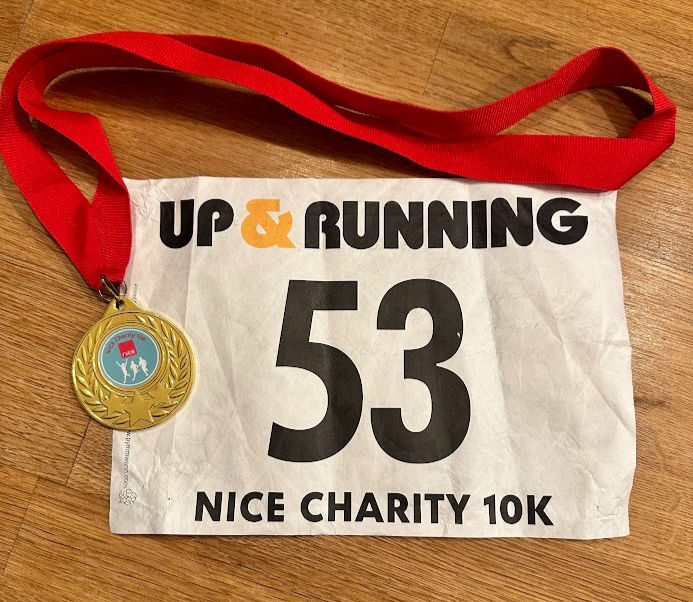
Once you are up and running, consider adding smaller races to your schedule. These can help you break down your training into manageable milestones and track your progress.
Participating in smaller races is a great way to practice your race day routine ahead of the marathon. It can also help reduce nerves by familiarizing yourself with the race day environment. Even occasional Parkruns can be beneficial.
Learn
Training for a first marathon, especially for those with no prior running experience, can feel intimidating - but every year, thousands of people take on the challenge and transform their lives in the process. The key to success is to start slow, build consistently, and surround yourself with motivation, education, and support. If you're just getting started, immerse yourself in the world of marathon training by reading beginner-friendly books and blogs, listening to inspiring and informative podcasts, and connecting with others through supportive social media communities.
Staying Positive
Training for a marathon is as much a mental journey as it is a physical one. There will be tough days - runs where your legs feel heavy, motivation is low, or doubt creeps in. That’s when staying positive becomes your greatest training tool.
Believe in yourself, even when progress feels slow. Every step you take is part of something bigger. Remember that no one starts out as a marathoner—you’re becoming one, day by day, run by run. With consistent effort, your body and mind will adapt in incredible ways.
Surround yourself with support. Tell your friends and family about your goals and ask for encouragement. Even better, connect with a running group or online community (like a Facebook group for first-time marathoners) - you’ll be amazed at how motivating it is to share your highs and lows with people on the same journey.
Celebrate small wins. Ran 10 minutes without stopping? That’s progress. Showed up even when it was cold or you were tired? That’s dedication. These moments matter just as much as the race itself.
Replace negative thoughts with purpose. When you catch yourself thinking, “I’m not a real runner,” reframe it: “I’m building strength and discipline every day.” Positivity isn’t about pretending it’s easy - it’s about choosing to focus on your growth and your why.
Running your first marathon is a journey filled with ups and downs, but with the right preparation and mindset, you too can cross that finish line.
Remember, it's not just about the finish line; it's about the journey and the personal growth you experience along the way.


Comments